Microgrid: Powering the Future with Intelligent Energy Systems
As the global energy landscape shifts toward decentralization and sustainability, microgrids are emerging as a transformative solution. They offer flexibility, resilience, and efficiency—bridging the gap between traditional centralized power systems and modern distributed energy resources.
What Is a Microgrid?
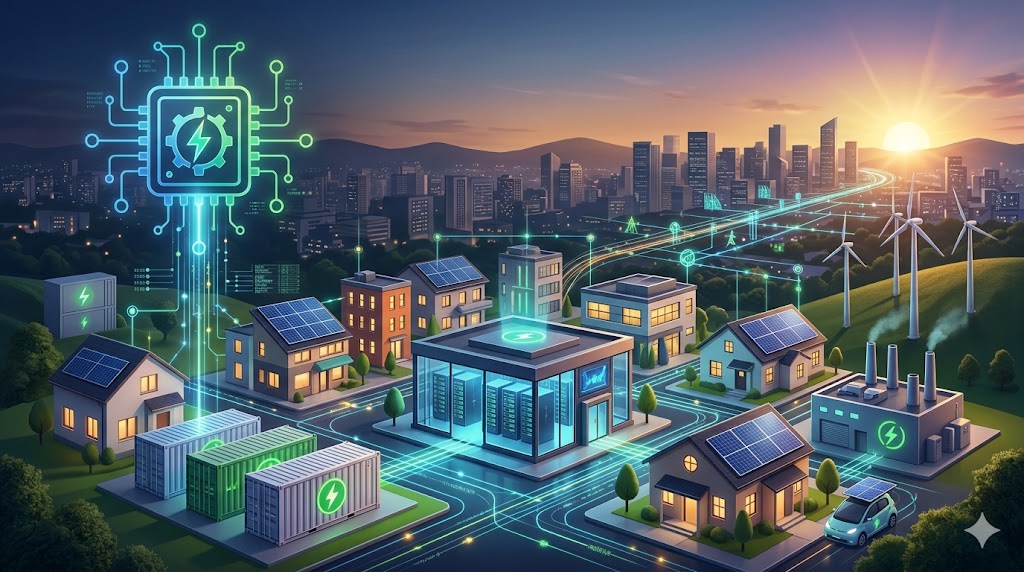
A microgrid is a localized energy system that can operate either connected to the main utility grid or independently (in islanded mode). It integrates distributed energy resources (DERs) such as:
Solar panels
Wind turbines
Battery energy storage systems
Diesel or gas generators
Smart loads and demand response systems
Key Components of a Microgrid
Distributed Generation Sources: Renewable and conventional energy sources located close to the load.
Energy Storage Systems (ESS): Typically battery systems that store excess energy and supply power during shortages.
Power Electronics & Inverters: Enable DC–AC conversion and ensure voltage/frequency stability.
Control & Energy Management System (EMS): The “brain” of the microgrid that optimizes power flow, scheduling, and reliability.
Loads: Residential, commercial, or industrial consumers connected within the microgrid.
Why Microgrids Matter
Microgrids are gaining attention because they enhance:
Energy Resilience – Maintain power during grid outages
Energy Security – Reduce dependence on centralized systems
Renewable Integration – Efficiently manage variable energy sources
Cost Optimization – Lower transmission losses and peak demand costs
Decarbonization – Support clean energy adoption
Grid-Connected vs Islanded Mode
Microgrids operate in two modes:
Grid-Connected Mode – Exchanges power with the main utility grid
Islanded Mode – Operates independently during outages or emergencies
Challenges in Microgrid Deployment
Despite their advantages, microgrids face several challenges:
High initial investment cost
Protection and stability issues
Regulatory and policy barriers
Complex control coordination
Cybersecurity risks
The Future of Microgrids
Microgrids are expected to play a central role in the evolution of the smart grid ecosystem. With increasing electrification, electric vehicle integration, and renewable penetration, microgrids will become essential components of modern power systems.
From powering remote villages to supporting smart cities, microgrids represent a shift toward decentralized, intelligent, and sustainable energy infrastructure.
